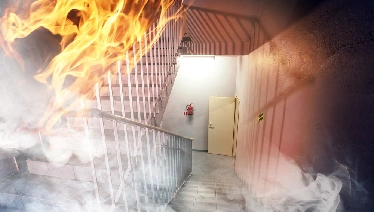
Fires can be devastating to homeowners and business owners in Delta. Located in British Columbia, Delta is famed for its scenic vistas, including Fraser River and Boundary Bay. Therefore, it's essential to follow proper fire and smoke damage restoration methods to maintain both the beauty and habitability of this region.
Fire and Smoke Damage Restoration in Delta
Fire and Smoke Damage Restoration in Delta

Mould Remediation Process
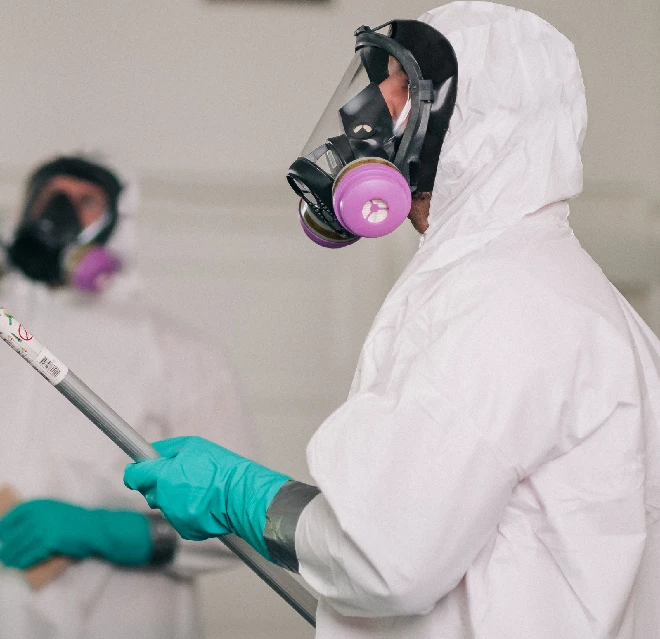
Mould Risks and Causes
Common symptoms of mould exposure include respiratory issues, persistent coughing, and irritation of the throat, lungs, and eyes. Specific vulnerable populations, such as individuals with asthma, allergies, underlying health conditions, young children, and the elderly, face an increased risk of health complications resulting from mould exposure.
Numerous factors contribute to mould growth, including elevated moisture levels, instances of flooding, plumbing deficiencies, HVAC system malfunctions, roof and window leaks, inadequate ventilation, and the age of the property's construction. Additionally, building materials like particleboard, drywall, and plywood are particularly prone to mould development. Recognizing these indicators and risk factors empowers property owners to take proactive measures in addressing mould-related concerns.
-
-

Smoke and Fire Damage Restoration
Remediation of structural fire damage, soot, and smoke stains to fully restore a property.Learn more Smoke and Fire Damage Restoration
-
Mold Removal
Safeguard the health of occupants by eliminating potential health hazards and prevent further damage.Learn more Mold Removal
-

Full-Service Reconstruction
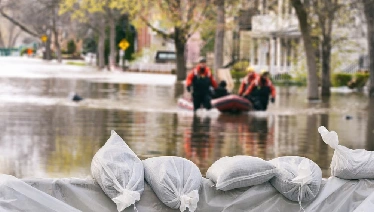
Restore lives and rebuild properties after damaging events such as a fire, flood, or severe weather.Learn more Full-Service Reconstruction
Property Damage Restoration Tips and Resources
-
.webp)
What Is a Restoration Company and When Will You Need One?
Restoration companies handle property damage from events such as floods, fires, and mold growth. They help restore a property to its best possible state by cleaning and repairing any damage.
-
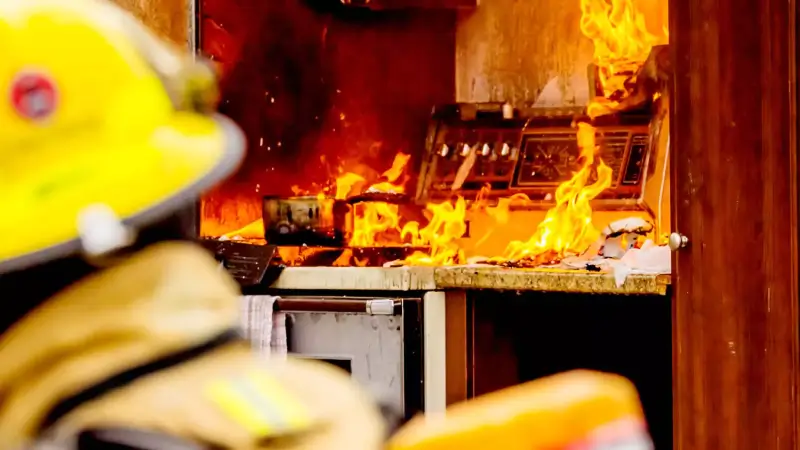
28 House Fire Statistics: How Common Are House Fires?
Knowing and understanding house fire statistics can provide valuable insight into how common house fires are, their typical causes, ways to prevent them, and the costs of smoke and fire damage.
-
.webp)
How Does Mold Spread? 5 Common Causes [+ Prevention Tips]
Mold spreads through air and water. Mold releases spores that use different methods to move from one place to the next. However, mold spread through the air is the most common form of growth in households and businesses.

Restoration begins now.®