Skip to Main Content Skip to Footer Content

Storm Damage Restoration in Omaha

The Omaha area sits in one of the most storm-active corridors in the country. Tornadoes, hail, and high-wind events are not rare occurrences here. They happen every season, and when they do, homes and businesses across southwest Omaha, Papillion, Bellevue, La Vista, and surrounding Douglas and Sarpy County communities are left to sort through the damage. Rainbow Restoration of Southwest Omaha provides storm-damage restoration for residential and commercial properties throughout the region. From emergency stabilization the night of a storm to full structural restoration, our certified team manages every stage of the recovery process. Storm damage doesn't wait. Neither do we. Call our local crew in Omaha for immediate response.

Storm Damage Restoration in Omaha
A Rainbow Restoration service professional and a customer sit at her kitchen table, while the Rainbow associate holds a tablet out to the customer to show her job information.

What Storm Damage Restoration in Omaha Really Involves

Storm damage in Nebraska goes beyond what is visible after the weather clears. A tornado that touches down in the Omaha metro can shatter windows, lift roofing, destroy siding, and in severe cases, compromise entire sections of a structure. Hailstorms, a near-constant threat during Nebraska's April through July peak season, punch through roofing materials, crack siding, and break windows, allowing water to seep deep into wall cavities and attic spaces. High winds tear away gutters, soffits, and exterior cladding.

The visible damage is only part of the story. Water that enters through a compromised roof or a broken window begins to saturate insulation and drywall within hours. If that moisture is not addressed quickly, mold can develop within 24 to 48 hours in the right conditions. Odors follow. Structural materials that might have been salvaged through fast drying become candidates for full replacement.

Our storm damage restoration process starts with emergency stabilization, which means boarding up broken openings, tarping compromised roof sections, and extracting any standing water as quickly as possible. From there, our crew conducts a thorough assessment of all affected areas, documents the damage, and moves into the drying, cleaning, and restoration phases. We handle storm damage restoration for both homes and commercial properties throughout the Omaha area, serving as a single point of contact from the night of the storm through the final walkthrough.

What Storm Damage Restoration in Omaha Really Involves
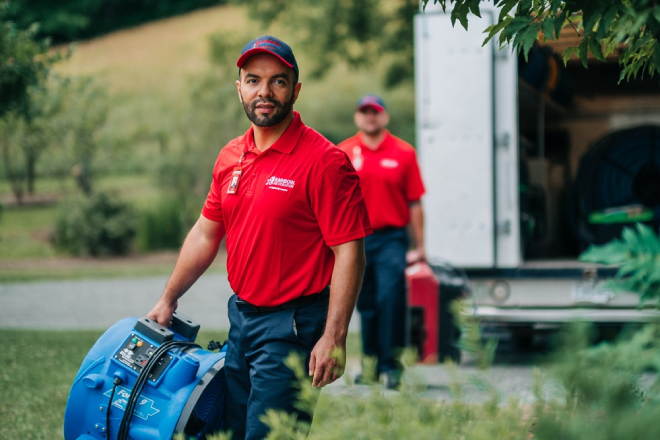
Two Rainbow Restoration service professionals carrying high-powered fans in to a customer's home from a truck.
  • The first priority after a storm event is to stop the damage from spreading. Our crew responds to storm damage calls throughout Omaha, Papillion, Bellevue, La Vista, and neighboring communities to secure properties as quickly as possible. Emergency stabilization includes boarding up broken windows and doors, installing heavy-duty roof tarps over damaged sections, and extracting standing water from interior spaces. Getting these steps done fast is what limits the total scope of the storm damage restoration project. A compromised roof that is tarped the night of the storm protects the interior from the next rainfall. A broken window that is boarded prevents water intrusion and unauthorized entry. Our crew arrives equipped to handle emergency stabilization for both residential and commercial properties.

  • Once the property is secured, storm damage restoration moves into water extraction and drying. Rain that enters through storm-damaged areas can penetrate flooring, subfloor materials, wall cavities, and insulation, making thorough extraction and drying essential before repairs can begin. Our team uses moisture detection equipment to identify where water has traveled, including areas that are not visually apparent. Industrial drying equipment is deployed to bring affected materials down to acceptable moisture levels. In parallel, we conduct a full structural assessment of the property to identify all storm-related damage, including areas where wind or hail may have caused hidden structural damage that will need to be addressed during repairs.

  • After extraction and drying are complete, storm damage restoration moves into the repair and rebuilding phase. This includes replacing damaged roofing materials, repairing or replacing siding and exterior cladding, repairing or replacing windows, and addressing interior damage to walls, ceilings, and flooring resulting from water intrusion. For both homes and businesses in the Omaha area, storm damage restoration often involves repairing multiple systems simultaneously, since a single storm event can affect roofing, windows, exterior walls, and interior finishes. Our crew handles the full scope of storm restoration work, so one team manages the project from emergency response through final repairs, eliminating the need for property owners to coordinate multiple contractors.

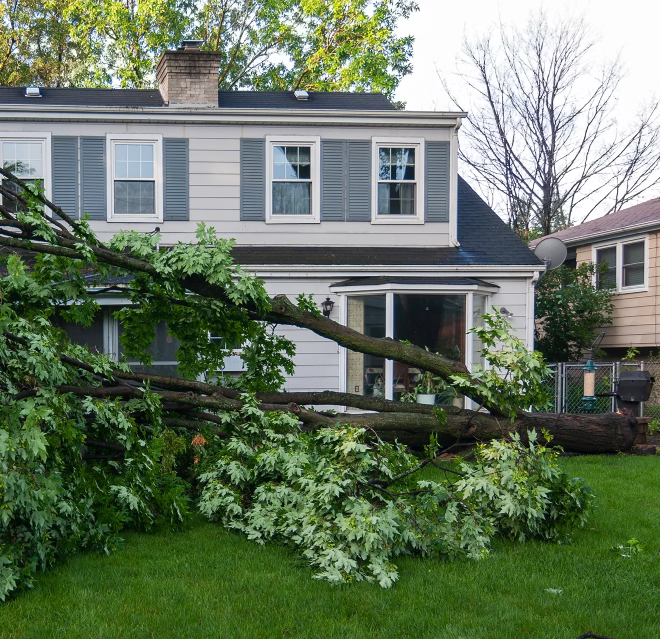
A large tree lies across the front yard of a single-family home after a storm.

3505 Harrison St Omaha, NE 68147, United States

Storm Damage Restoration FAQ

  • Do not re-enter the property until it has been confirmed safe, especially if the storm may have caused structural damage. Once it is safe to approach, document visible damage with photographs before any cleanup begins. Avoid touching downed power lines or entering a building with obvious structural compromise. Call our team as soon as possible so emergency stabilization can begin. Prompt action in the first hours after a storm event reduces overall damage and protects what has not already been affected.

White Rainbow Restoration logo.
Restoration begins now.®