Skip to Main Content Skip to Footer Content

Water Damage Restoration in Columbia, SC

Columbia has experienced some of the most significant flooding events in South Carolina's history. The 2015 Thousand-Year Flood brought catastrophic water into neighborhoods throughout the city, filling homes along Gills Creek, the Saluda River corridor, and low-lying streets across the Midlands. While that event was exceptional, flooding from the Congaree basin, heavy tropical rainfall, and drainage system overflows continue to regularly affect homes in Columbia. Rainbow Restoration of Columbia provides water damage restoration services to homeowners throughout the Midlands, including Columbia, Cayce, West Columbia, Lexington, Irmo, Blythewood, and surrounding communities. Our certified crew responds quickly, extracts the water, dries the structure completely, and returns your home to the best possible conditions.

Water Damage Restoration in Columbia, SC
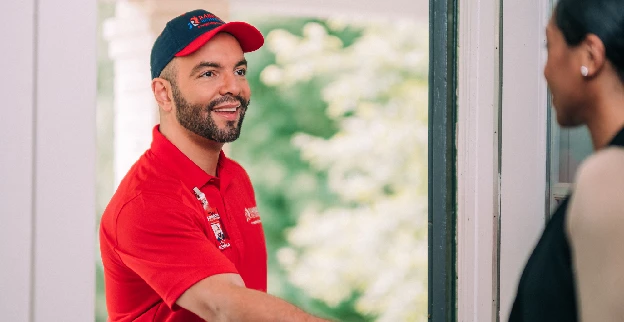
Rainbow Restoration technician shaking the hand of a customer.

Water Damage Restoration in Columbia Requires Knowing This Market


Columbia sits at the confluence of the Broad and Saluda rivers, which merge to form the Congaree just south of the city. That geography means flooding events in Columbia can involve multiple water sources simultaneously, and the damage footprint in a major storm can extend across entire neighborhoods rather than isolated properties. Older homes in Shandon, Rosewood, Hollywood-Rose Hill, and Forest Acres have crawlspace foundations and aging plumbing systems that are particularly vulnerable. Newer construction in Irmo, Blythewood, and northeast Columbia faces its own drainage challenges as impervious surfaces increase runoff with every development cycle. Our water damage restoration process starts with a full moisture assessment to identify all affected areas, classify the water type, and plan drying before any equipment is placed. We have worked with the full range of home construction across Columbia and understand what each requires.

  • Our water damage restoration response starts with extraction and classification. Getting water out quickly limits how far moisture penetrates structural materials and determines whether to dry in place or replace damaged components. We classify the water type at the start of every job. Clean water from a plumbing failure is handled differently than Category 3 floodwater from the Gills Creek basin or street overflow. Floodwater in Columbia frequently contains contamination from drainage systems, requiring different material-handling protocols throughout the job.

  • Extracting standing water is the first step. Moisture absorbed into wall framing, subfloor materials, crawlspace components, and ceiling assemblies stays active long after the visible water is gone. Columbia's heat and humidity during the warmer months can slow evaporative drying if the equipment is undersized or removed too early. We use industrial air movers and low-grain refrigerant dehumidifiers matched to the specific materials in your home and take readings at every visit, logging conditions across all zones until every material reaches its target drying level. Structural drying is never rushed, and we do not close out a job until the moisture data confirms it.

  • After structural drying is confirmed, our water damage restoration crew addresses damaged materials, including warped flooring, compromised drywall, deteriorated crawlspace insulation, and any structural components that need replacement. We restore your home to the best possible conditions and walk through every repaired area with you before closing out the project. Our Columbia team is ready. Don't wait for damage to spread. Call Rainbow Restoration of Columbia today.

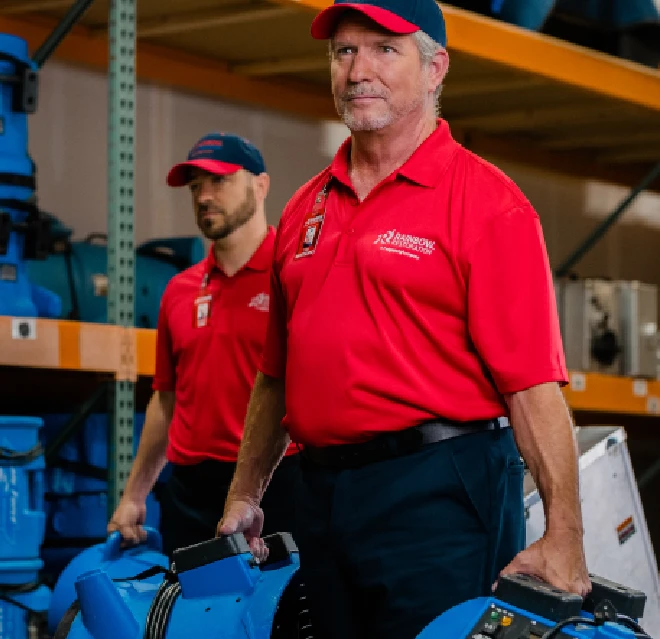
Two Rainbow Restoration technicians carrying high-powered fans.

Water Damage Restoration FAQ

  • The 2015 flood was a historic rainfall event that brought over 20 inches of rain to parts of the Columbia area in roughly 48 hours. It caused catastrophic flooding along Gills Creek, damaged or destroyed hundreds of homes, and left long-lasting marks on the city's flood infrastructure. While that event was extreme, it highlighted the real vulnerability of homes to flooding throughout the Columbia Midlands. Areas near Gills Creek, Lake Murray drainage corridors, and historically flood-prone neighborhoods remain at elevated risk during major rain events.

Residential and Commercial Services

From water damage restoration, fire damage restoration, mold removal, to specialty cleaning services, we have the expertise property owners can trust for complete restoration and cleaning after a disaster or emergency.

  • Rainbow Restoration tech with machinery for water damage restoration.

    Water Damage Restoration

    Restore properties after significant water damage from natural disasters or plumbing issues.
    Learn more Water Damage Restoration
    Water droplet icon.
  • Two Rainbow Restoration technicians unloading smoke remediation machinery from truck.

    Smoke and Fire Damage Restoration

    Remediation of structural fire damage, soot, and smoke stains to fully restore a property.
    Learn more Smoke and Fire Damage Restoration
    Fire icon.
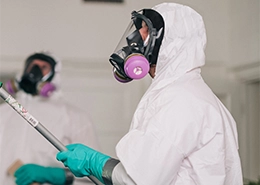
  • Rainbow Restoration tech with mask and covering to remediate mold damage.

    Mold Removal

    Safeguard the health of occupants by eliminating potential health hazards and prevent further damage.
    Learn more Mold Removal
    Mold spore icon.
  • Rainbow Restoration tech shaking hands with customer.

    Full-Service Reconstruction

    Columbia sits at the confluence of the Broad and Saluda rivers, which merge to form the Congaree just south of the city. That geography means flooding events in Columbia can involve multiple water sources simultaneously, and the damage footprint in a major storm can extend across entire neighborhoods rather than isolated properties. Older homes in Shandon, Rosewood, Hollywood-Rose Hill, and Forest Acres have crawlspace foundations and aging plumbing systems that are particularly vulnerable. Newer construction in Irmo, Blythewood, and northeast Columbia faces its own drainage challenges as impervious surfaces increase runoff with every development cycle. Our water damage restoration process starts with a full moisture assessment to identify all affected areas, classify the water type, and plan drying before any equipment is placed. We have worked with the full range of home construction across Columbia and understand what each requires.

    Learn more Full-Service Reconstruction
    Hammer icon.

Our Blog

  • Two members of the Rainbow Restoration team arrive at a property.

    What Is a Restoration Company and When Will You Need One?

    Restoration companies handle property damage from events such as floods, fires, and mold growth. They help restore a property to its best possible state by cleaning and repairing any damage.

  • Firefighter looking at a burning stove in a kitchen.

    28 House Fire Statistics: How Common Are House Fires?

    Knowing and understanding house fire statistics can provide valuable insight into how common house fires are, their typical causes, ways to prevent them, and the costs of smoke and fire damage.

  • Mold growing on a white wall.

    How Does Mold Spread? 5 Common Causes [+ Prevention Tips]

    Mold spreads through air and water. Mold releases spores that use different methods to move from one place to the next. However, mold spread through the air is the most common form of growth in households and businesses.

RBW logo.
Restoration begins now.®