
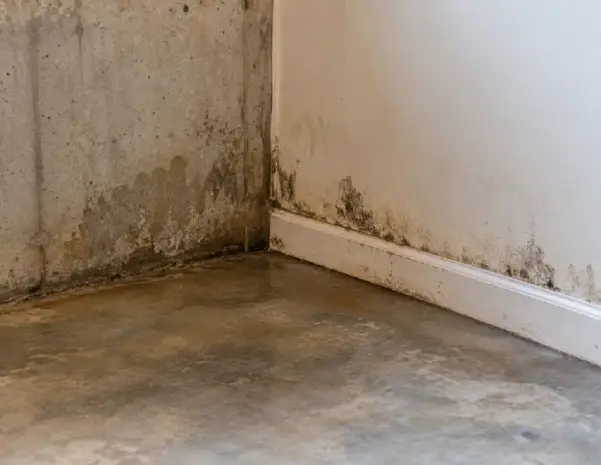
Earthy, persistent odors in finished basements or living rooms usually signal microbial activity occurring out of sight. Microscopic spores land in dark, damp spaces behind drywall panels, underneath carpet padding, and along crawl space sills where ambient humidity stays continuously elevated.
Across Bristol and surrounding East Tennessee communities, subterranean foundation wall condensation combined with unaddressed plumbing leaks creates microclimates where fungal colonies thrive. Resolving mold damage requires an analytical diagnostic protocol rather than simple surface cleaning.
Diagnostic Indicators of Hidden Fungal Contamination
Determining whether a property has active microbial contamination involves evaluating specific physical indicators. Homeowners frequently spot warning signs long before visible colonies break through finished surfaces.
- Persistent musty smells that linger despite deep domestic cleaning and room deodorizers
- Dark discoloration or light fuzz appearing along baseboard edges and basement carpet tack strips
- Efflorescence or white mineral deposits forming along concrete basement walls, signaling active moisture intrusion.
- Unexplained humidity elevation in enclosed lower-level rooms during summer months
Wiping down contaminated drywall with household bleach or retail cleaning sprays leaves deep fungal hyphae intact inside porous building materials. Bleach primarily contains water, which soaks into drywall cores and feeds fungal roots once the chlorine evaporates.
Mold Remediation and Removal Sequence
Eliminating airborne spores and active colonies demands strict physical containment and negative air pressure management.
Polyethylene barriers are installed to isolate the affected work area from clean living areas in Johnson City and Kingsport. HEPA-filtered air scrubbers exhaust air externally, establishing negative air pressure that keeps microscopic spores from escaping into upper-floor rooms. Saturated structural items that cannot be thoroughly decontaminated are removed inside sealed disposal bags under controlled conditions.
Exposed framing components undergo physical abrasive cleaning followed by true HEPA vacuuming to trap microscopic particulates down to 0.3 microns. EPA-registered antimicrobial solutions are applied directly to structural timbers to neutralize lingering spores and inhibit future germination.
See our reviews on Google at Bristol mold inspection and remediation resource.
Eliminating Root Environmental Mold Triggers
Remediating mold growth solves only part of the structural equation. Because mold requires water to survive, identifying and eliminating moisture sources is essential to prevent colony recurrence.
Technicians evaluate structural perimeter drainage, plumbing connections, and ventilation efficiency. Subterranean crawl spaces receive heavy polyethylene vapor barriers to prevent groundwater evaporation. Whole-home dehumidification systems are calibrated to maintain indoor relative humidity below 50 percent, creating an environment where spores cannot germinate.
Preserving Indoor Environmental Quality
Addressing hidden dampness and fungal colonies protects building framing and keeps indoor air clean for your family. Professional remediation restores environmental health in your home while preserving the property’s structure.
When persistent musty odors or hidden moisture affect your Bristol home, contact Rainbow Restoration of Tri-Cities, TN. Our local specialists provide comprehensive evaluations and clear remediation plans tailored to your property.