There's a particular kind of quiet that settles over a home after a fire. The trucks are gone, the neighbors have gone back inside, and you're standing there with a phone full of photos you took for insurance and no clear idea of what happens next. That moment is disorienting for anyone, and we've walked through it with many families in Bristol and across the Tri-Cities.
Let's talk about what actually happens. Not the insurance brochure version, but the real sequence of events and decisions in front of you.
The Thing Most People Get Wrong About Fire Damage
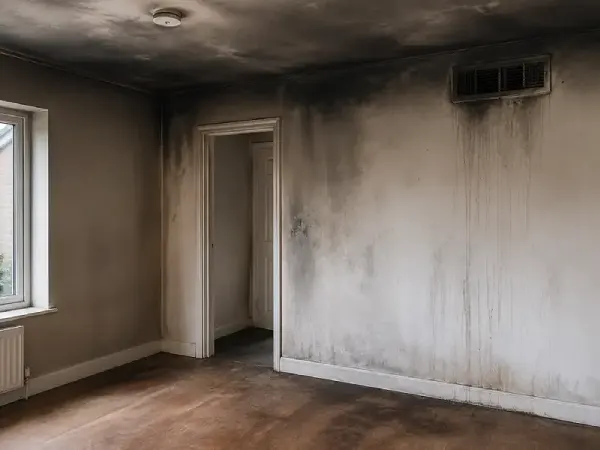
When people picture fire damage, they picture charred walls and burned flooring. That's real, but it's often a smaller part of the total damage than smoke and soot. Smoke travels through an entire structure during a fire, moving through HVAC systems, into closets and crawl spaces, and up into attic insulation. It deposits acidic soot particles on every surface it contacts, and that soot continues to cause damage even after the flames are out.
In older Bristol homes with less air-tight construction, smoke penetration is especially thorough. We've seen fires confined to a single room leave smoke odor and soot residue in rooms on the opposite side of the house. That's not unusual. It's just how smoke moves.
The acid in smoke soot begins etching surfaces within hours of a fire. Metal fixtures, appliances, and electronics are particularly vulnerable. Porous surfaces like painted drywall, wood trim, and upholstery absorb odor compounds that can't be neutralized simply by airing them out. Specific treatment is required. This is why fire damage restoration involves a lot more than cleaning up burned material.
Secure the Building Before Anything Else
Before restoration work can begin, the building needs to be secured and assessed for structural safety. In fire situations, this often means boarding windows, securing doors, and arranging emergency tarping if the roof is damaged. That step protects everything inside from the weather and prevents unauthorized access while you're working through the insurance process.
Don't re-enter a fire-damaged structure without confirmation that it's safe to do so. Structural members compromised by fire can fail without visible warning, and smoke residue in enclosed spaces can still present air quality hazards.
The Assessment That Actually Drives Your Claim
A thorough fire damage assessment distinguishes between what can be restored and what needs to be replaced. This is where experience matters. Restoration professionals use a systematic process: starting with structural integrity, moving through the smoke and soot penetration zone by zone, testing HVAC systems for contamination, and inventorying contents that need specialized treatment.
For Bristol homeowners going through insurance, a detailed written assessment is foundational to a fair claims process. Documentation of damage that isn't immediately visible, like smoke contamination in HVAC ductwork, often makes a significant difference in what gets covered.
What Gets Documented
Good restoration documentation captures not just what burned, but the full scope of smoke and water damage. Water damage from firefighting efforts is extremely common and often affects areas far from the fire itself. Floors, ceilings, and walls that absorbed firefighting water need to be dried and treated the same way any water-damaged aread area is, or can become a secondary problem within days.
Cleaning and Getting Rid of Smoke Odor
Smoke odor removal is specialized work. The compounds that create that persistent burnt smell embed themselves in porous materials like insulation, drywall, wood, fabric, and carpeting, and standard cleaning products don't reach them. Professional fire damage restoration uses a combination of chemical soot removal, thermal fogging, hydroxyl treatments, and, in some cases, ozone treatment to neutralize odor compounds at the molecular level.
Surfaces throughout the structure, including areas well away from the fire itself, need to be cleaned of soot residue. Leaving acidic soot on metal fixtures or electronics accelerates corrosion. On painted surfaces, it causes permanent staining if not addressed within a certain window.
Working Through the Insurance Process
Most homeowner's policies cover fire damage, but the claims process can be complicated. A few things that help: contact your insurer as soon as possible, keep records of every conversation, don't dispose of damaged items until they've been documented and the adjuster has seen them, and understand that you have the right to work with the restoration contractor of your choosing.
Restoration professionals who work regularly with insurance claims can help organize documentation in formats adjusters expect, which often streamlines the process considerably.
Ready to Talk Through What Comes Next
If a fire has hit your home in Bristol, Kingsport, Johnson City, Elizabethton, or Jonesborough, or anywhere in the Tri-Cities area, the team at Rainbow Restoration of Tri-Cities, TN is ready to help from that first phone call forward. They handle the assessment, the documentation, the cleaning, the drying, and the coordination, so you're not trying to manage all of it yourself.
You can also find them through their Google Business Profile. Call, read reviews, ask questions. Whatever helps you feel confident about who you're inviting into your home during a hard time.