Skip to Main Content Skip to Footer Content

Water Damage Restoration Services in Idaho Falls

Experiencing water damage in your home can feel like a nightmare. The last thing any homeowner wants is to walk into their home after a long day only to find water pooling on their floors, the ceiling dripping, or a musty smell lingering in the air. However, water damage is not only common, but it usually strikes unexpectedly and can escalate quickly, leaving you feeling stressed and unsure of where to turn.

The consequences of water damage can be devastating, affecting not only the structure of your home but also your family’s health and safety. At Rainbow Restoration of Idaho Falls, we understand the stress and disruption that comes with such an unexpected event. That's why we've made it our mission to provide you with fast, effective, and compassionate water damage restoration services that help restore your property and peace of mind.

With years of experience, advanced technology, and a team of certified professionals, we specialize in restoring properties to their original condition quickly, safely, and efficiently.

Don’t let water damage take control of your life. Whether the damage is minor or extensive, acting fast is crucial to minimizing the impact on your home and health. Contact us today at [phone], and let us take the first step in helping you regain a safe, comfortable space.

Water Damage Restoration Services in Idaho Falls
A Rainbow Restoration service professional shaking the hand of a customer at their front door.

What Are the Most Common Causes of Water Damage?

Water damage can occur in various ways, often catching homeowners off guard. Understanding these common causes is crucial for preventing significant damage and costly repairs. Here are some frequent culprits that can lead to water damage in your home:

  • Roof Damage: Your roof is your home’s first line of defense against the elements. Missing shingles, damaged flashing, or clogged gutters can allow rainwater to seep into your home. During heavy storms, even minor roof issues can result in significant leaks that compromise your home’s structure and lead to mold growth.
  • Leaking Pipes: One of the primary sources of water damage is leaking or burst pipes. Over time, pipes can corrode, crack, or become loose due to temperature changes or aging materials. These leaks can occur in both visible and hidden areas, such as behind walls or under floors, leading to extensive damage if not addressed promptly.
  • HVAC Issues: Your heating, ventilation, and air conditioning (HVAC) system can also be a hidden source of water damage. Poor maintenance can lead to clogged drain lines, frozen evaporator coils, or improperly connected pipes, causing condensation to accumulate and leak into your living spaces.
  • Appliance Malfunctions: When household appliances like washing machines, dishwashers, and refrigerators malfunction, they are common sources of water damage. Hoses can deteriorate over time or become disconnected, leading to leaks that may go unnoticed until significant damage has occurred.
  • Weather-Related Events: Severe weather conditions such as heavy rainstorms, hurricanes, or melting snow can overwhelm drainage systems and cause flooding.
  • Foundation Cracks: Cracks in your home’s foundation can allow groundwater to seep into basements or crawl spaces, especially during heavy rainfall.
  • Water damage restoration is a comprehensive process that includes everything from cleaning to repairing and restoring a property affected by water intrusion. This specialized service addresses not only visible damage but also hidden issues that can compromise your property’s structural integrity and pose serious health risks.

    The consequences of water damage can be extensive. Beyond the immediate aesthetic concerns—such as stained walls and warped floors—water intrusion can lead to serious structural issues. Prolonged exposure to moisture can weaken the foundation of your home and compromise its integrity. Moreover, stagnant water creates an ideal breeding ground for bacteria, mold, and mildew which can pose significant health risks to you and your family. In addition to physical damage, the emotional toll of dealing with water damage can be overwhelming, making it crucial to act quickly.

  • It’s essential to differentiate between mitigation and restoration when addressing water damage.

    Mitigation refers to the immediate actions taken to prevent further damage after an incident. These may include stopping the source of water intrusion, removing standing water, and drying out affected areas.

    In contrast, restoration is the comprehensive process that follows mitigation. It involves repairing and restoring your property to its original condition after the immediate threats have been addressed. This includes rebuilding damaged structures, replacing flooring or drywall, and ensuring that your home is safe and livable again.

    Understanding this distinction helps you recognize the importance of swift action following a water-related incident. The sooner mitigation occurs, the less extensive—and costly—the restoration process will be.

  • Detecting water damage early is crucial to preventing further complications and costly repairs. Here are some key indicators to watch for in your home:

    • Visible Water Stains: Look for discolorations on walls, ceilings, and floors. These stains can manifest as brown or yellowish patches and may expand over time if the source of the leak is not addressed.
    • Warped or Buckled Surfaces: If you notice that your floors, walls, or ceilings are warping or buckling, this is a strong sign of moisture accumulation.
    • Mold and Mildew Growth: Mold is a clear indicator of excess moisture in your home. It can develop within 24 to 48 hours of water exposure, often appearing as dark spots on surfaces or in hidden areas. Mold remediation is a crucial component of full water damage restoration services.
    • Sudden Increases in Utility Bills: If you notice a sudden unexplained increase in your water bills, it can be the result of a hidden leak somewhere in your plumbing system. Monitoring your utility bills regularly can help you catch leaks before they lead to significant damage.
    • Peeling Paint or Wallpaper: If you notice that paint is bubbling, cracking, or peeling away from walls, it could be a sign that moisture is trapped beneath the surface.
    • Damp Odors: A persistent damp smell in your home can indicate hidden water damage. This odor is often associated with mold growth and should not be ignored.
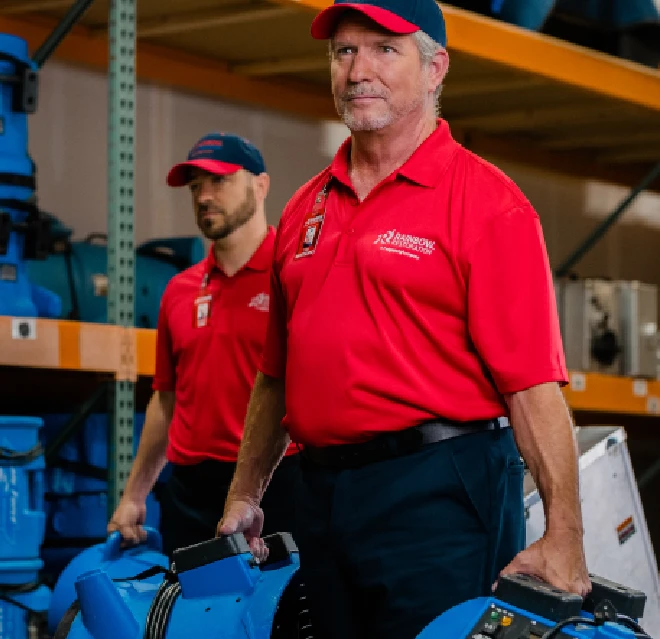
Two Rainbow Restoration technicians carrying high-powered fans.

Residential and Commercial Services

1345 Enterprise St Idaho Falls, ID 83402, USA

Frequently Asked Questions

  • The timeline for water damage restoration can vary significantly based on several factors, including the severity of the damage, the size of the affected area, and the specific circumstances surrounding the incident.

    But generally, for minor incidents, such as a small leak or localized flooding, the restoration process typically takes about 1 to 3 days. In cases of moderate water damage—such as significant leaks from appliances or plumbing issues—the restoration process may take anywhere from 3 to 7 days. Severe water damage, often resulting from events like substantial flooding or prolonged exposure to water, can take one week or longer to fully restore.

    Factors Influencing Restoration Time

    Several factors can influence how long the restoration process takes:

    • Extent of Damage: More extensive damage requires more time for assessment, extraction, drying, and repairs.
    • Type of Water Involved: Clean water from a broken pipe is easier to handle than contaminated water from sewage backups, which requires additional safety measures and cleaning protocols.
    • Weather Conditions: Humidity levels and weather conditions can impact drying times. High humidity may prolong the drying process.
    • Availability of Materials: If repairs require specific materials that are not readily available, this can delay completion.
White Rainbow Restoration logo.
Restoration begins now.®